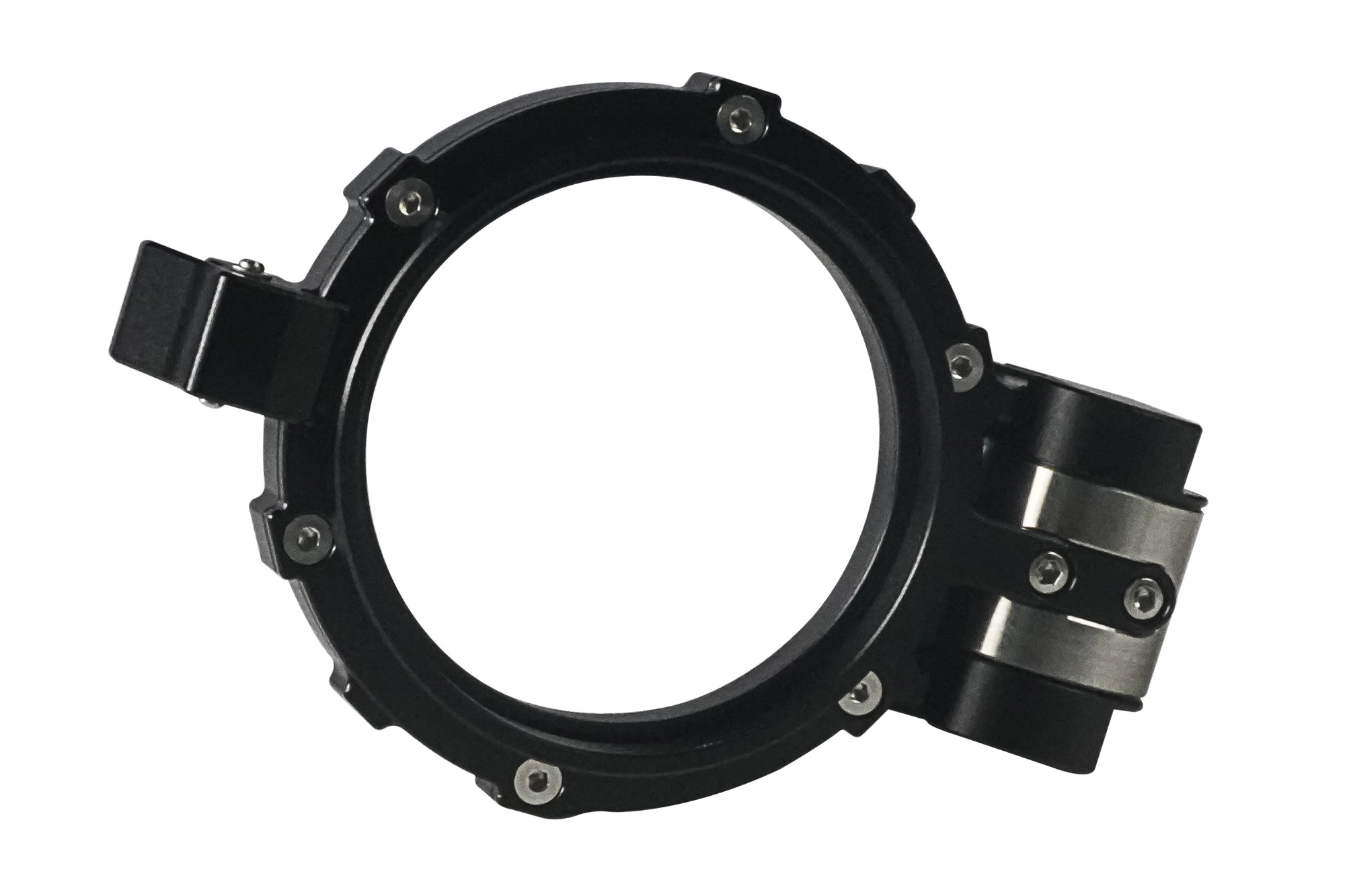
Technical Specifications
Lens Construction: 4 elements; 2 groups
Diopter (Underwater Focal length) :+15 (66.66mm)
Working Distance :60mm - 85mm (From 1st Lens Suface)
Max Magnification: x2.6
Dimensions:Φ70X40mm
Mounting:M67X P0.75
Weight (Air) :252g
Weight (Underwater) :150g
Depth Rate :100m
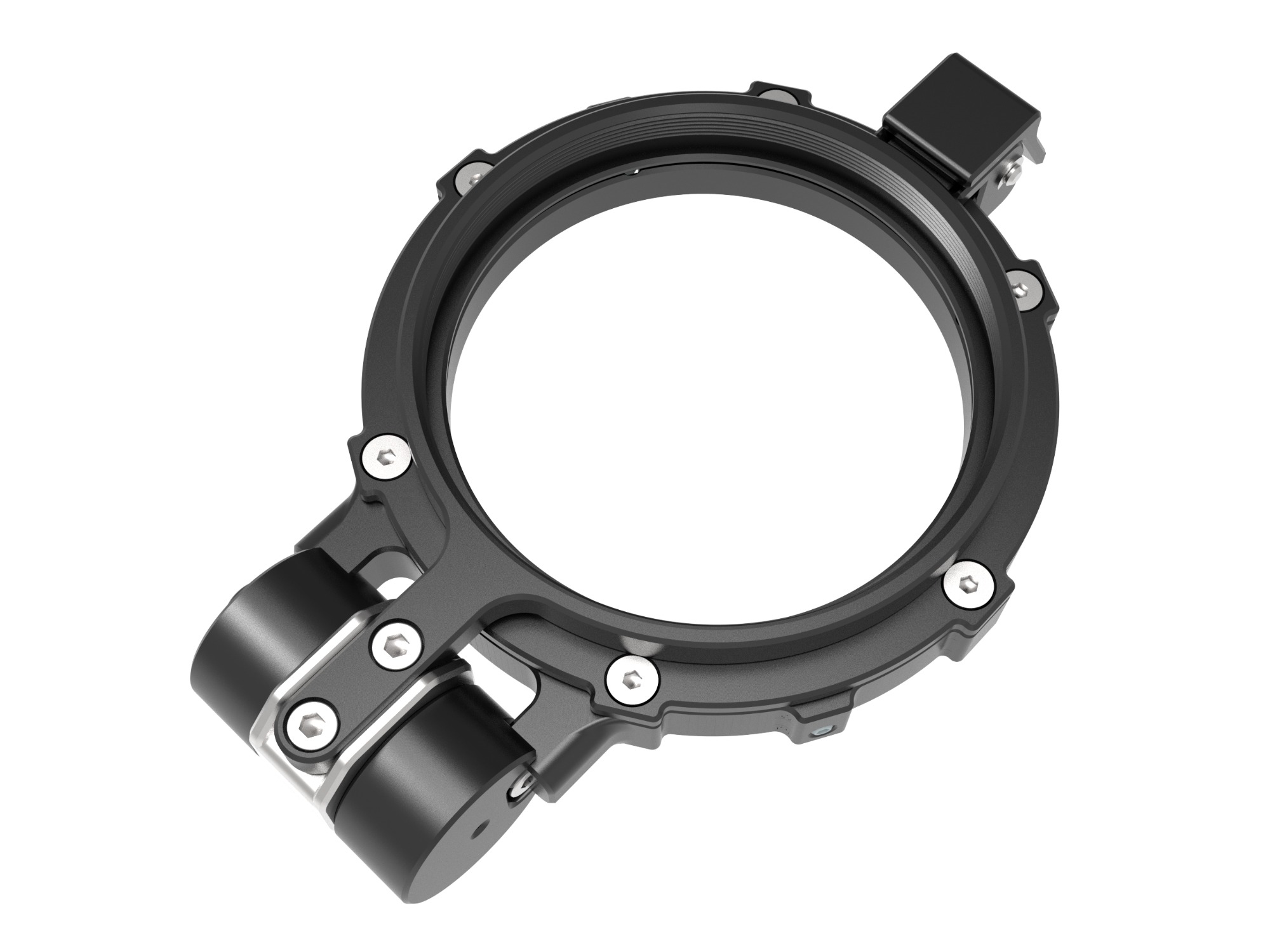
It includes an adapter ring (for mounting on the macro port), which must be removed when used with the flip adapter.
The Niche Market of Underwater Optics
Compared to traditional land-based photography, underwater photography remains a small, highly niche market. Major manufacturers—including Sony, Nikon, Canon, OM System (Olympus), Sigma, and Panasonic—have never designed an interchangeable lens specifically for the underwater environment. The sole exception is Nikon, which produced the dedicated Nikonos underwater lens system decades ago. Because all modern lenses are optimized strictly for land use, they struggle with the unique optical challenges of shooting beneath the surface.
Optical Challenges: Land vs. Water
There are profound physical and optical differences between shooting in air and shooting in water:
Light Loss and Color Absorption: On land, light reflects off a subject, travels through thin air, and enters the camera lens directly with minimal distortion. Air is highly transparent, meaning distance has very little effect on image clarity. Underwater, water acts as a dense medium that rapidly absorbs light. Long-wavelength colors like red and orange disappear within a few meters, leaving only short-wavelength blues and greens. While powerful strobes or video lights can restore natural colors, they are only effective at very close distances.
Port Refraction and Corner Distortion: Before reaching the camera lens, light must first pass through a waterproof flat or dome port, which is typically 12–13mm thick. Even high-quality optical glass causes severe refraction as light transitions from water, through the glass, and into the air inside the housing. This refraction is mild in the center of the dome but worsens dramatically toward the corners and edges.
This edge refraction degrades images in two distinct ways:
Chromatic Aberration: Different wavelengths (colors) of light bend at different angles when passing through the glass, causing color fringing.
Geometric Distortion and Softness: Because refraction increases toward the edges, images lose sharpness, precision, and resolution, leading to heavily distorted or blurred corners.
Standard land lenses cannot compensate for these underwater distortions. To achieve true high-quality imaging, a specialized conversion lens is an absolute necessity.
Challenges of Underwater Macro Photography
Land-based manufacturers offer a variety of macro lenses that magnify images and enable short-distance shooting. Popular choices for underwater macro photography typically include focal lengths of 60mm, 90mm, 100mm, and 105mm.
However, using these land lenses underwater presents significant challenges:
Water column interference: The water trapped between the lens and the subject degrades image quality.
Excessive working distance: Land macro lenses require a minimum focus distance that is too long for underwater environments, where a shorter shooting distance is critical for clarity.
Insufficient magnification: Popular tiny marine critters measuring only 1mm to 5mm require higher magnification than standard land lenses can provide.
The Marelux Solution: Macroview wet Conversion Lens
Marelux has developed a comprehensive ecosystem of macro and wide-angle underwater conversion lenses, featuring both wet and dry optical systems. Our premium Macroview (+15, +10, +5) wet conversion lenses are precisely engineered to eliminate underwater optical distortions. They deliver an ultra-short working distance and powerful magnification, making it effortless to capture the finest details of tiny marine critters.
Precision Internal Optics: A proprietary multi-element lens configuration actively corrects chromatic aberration and edge distortion.
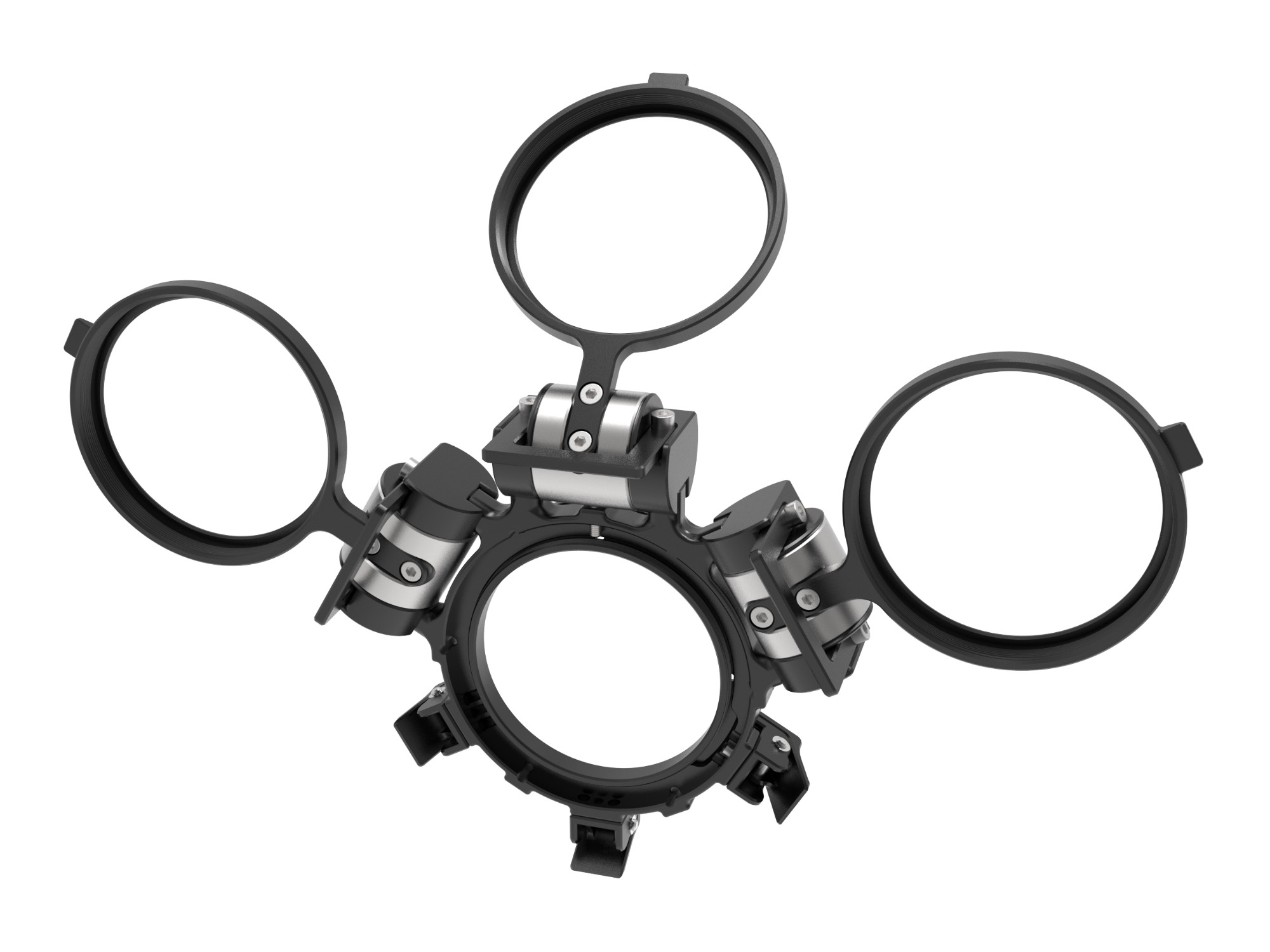
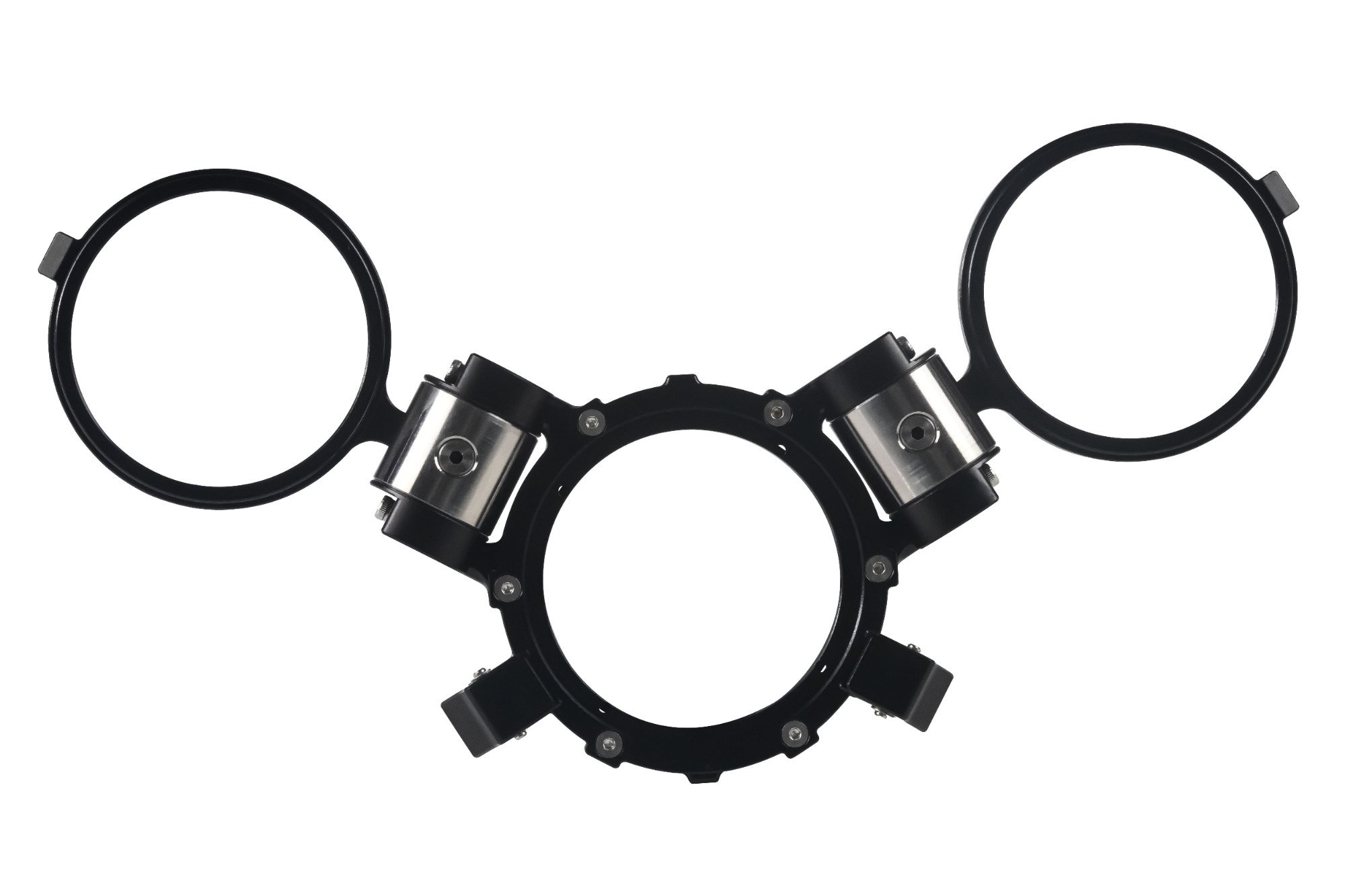
Underwater Detachability: Featuring a fast-release docking system, double and mono flip holders etc, these setups allow users to install or detach Macroview lenses quickly and easily while underwater. This versatility enables a seamless transition back to the original macro lens inside the port, while also providing the option for a much closer shooting distance, bigger magnification, and shorter of field of view.